

A two-day capacity-building programme equipped young Nigerians with practical solar energy skills while demonstrating the potential of renewable energy to support essential community services.
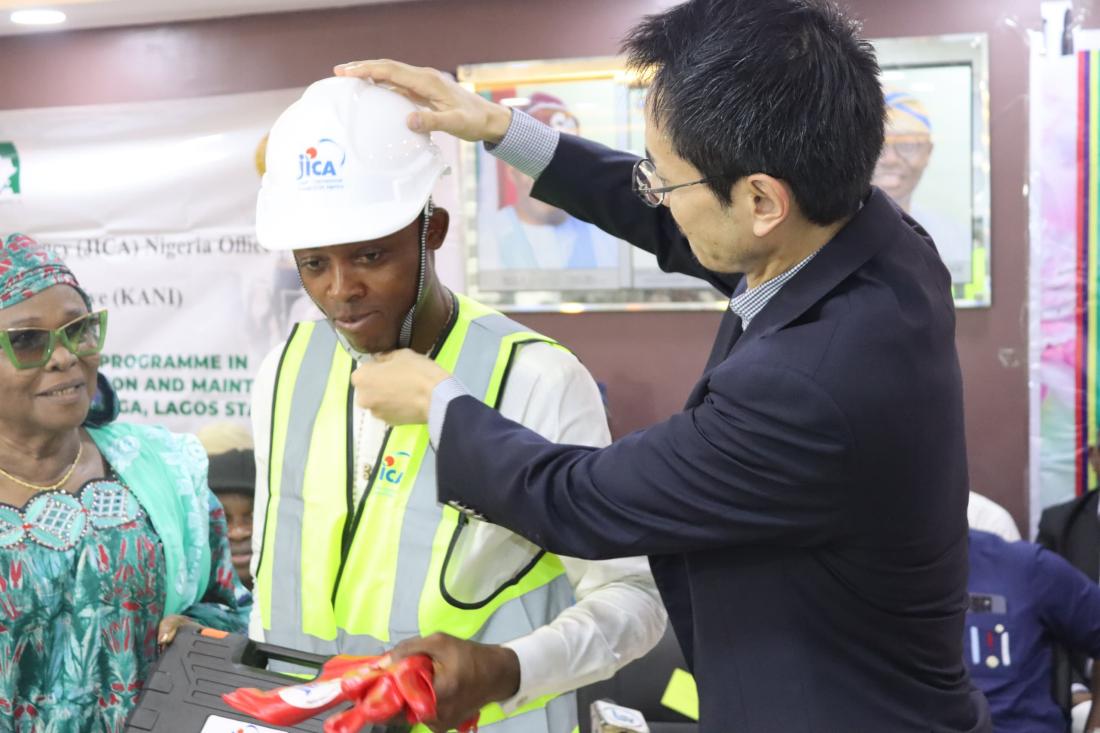
On February 10–11, 2025, the Kakehashi Africa Nigeria Initiative (KANI), in collaboration with the Japan International Cooperation Agency (JICA) Nigeria Office and Lagos Mainland Local Government, organised a Youth Capacity Building Training Programme on Solar Energy Design, Installation, Operation and Maintenance in Lagos, Nigeria.
Held at the Lagos Mainland Local Government Secretariat and a designated primary healthcare facility, the programme brought together young people, technical facilitators, government representatives and development stakeholders to explore practical solutions to Nigeria’s energy challenges.
The initiative reflected a shared commitment to youth development, technical skills acquisition, international cooperation and sustainable community development.
Building Skills for a Sustainable Energy Future
Access to reliable electricity remains an important consideration for communities, businesses and essential public services. Solar energy offers opportunities to expand access to electricity, particularly in locations where conventional power supply is unreliable or where off-grid solutions may be appropriate.
However, the effective adoption of solar technology depends not only on the availability of equipment but also on the presence of people with the technical knowledge to design, install, operate and maintain these systems.
Recognising this need, KANI and JICA Nigeria organised the training to equip young Nigerians with relevant technical knowledge and practical experience in renewable energy. The programme also sought to encourage participants to explore opportunities for professional development and entrepreneurship within the growing renewable energy sector.
From Theory to Practical Experience
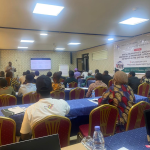
The two-day programme combined classroom instruction, interactive discussions and practical demonstrations, allowing participants to connect technical concepts with real-world applications.
The first day focused on the fundamentals of solar energy and photovoltaic (PV) technology. Participants were introduced to the benefits and challenges of off-grid solar systems, energy needs assessment, system sizing and solar PV system configuration.
Additional sessions covered installation techniques, electrical safety, panel mounting, wiring, system monitoring, troubleshooting and preventive maintenance.
Industry professionals and technical facilitators guided participants through the sessions, providing insights into the technical considerations involved in deploying and maintaining solar energy systems.
The interactive format encouraged questions, knowledge sharing and collaboration among participants, helping them develop a stronger understanding of the practical requirements of solar technology.
Learning by Doing: Solar Installation at a Primary Healthcare Facility
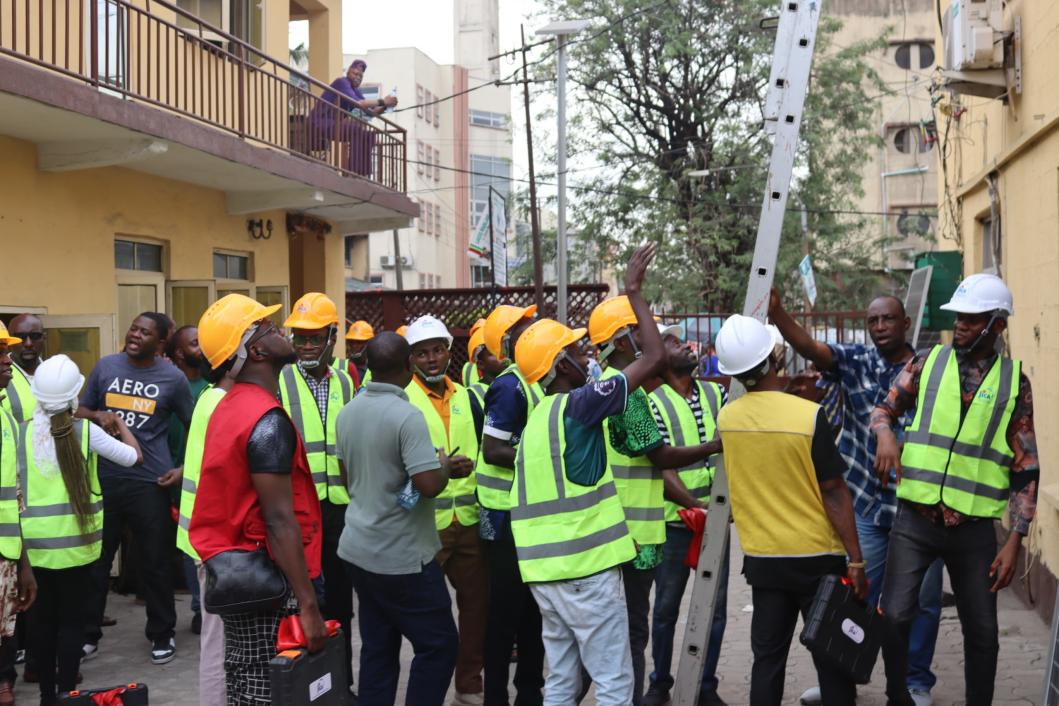
A key highlight of the programme was the practical installation exercise on the second day.
Participants worked in teams to install an off-grid solar energy system at a designated primary healthcare facility in Lagos. Under expert guidance, they applied lessons from the theoretical sessions, including installation procedures, wiring techniques, safety practices and troubleshooting.
This practical component gave participants an opportunity to experience the demands of a real installation rather than relying solely on classroom instruction.
The exercise also demonstrated how technical training can be connected to community needs. Reliable electricity is important to the delivery of healthcare services, and appropriately designed and maintained solar systems can help support facilities facing unreliable power supply.
By combining youth skills development with a practical community application, the programme illustrated how capacity-building initiatives can create value beyond the training room.
Collaboration Between Development Partners and Local Government
The programme benefited from the participation and support of representatives from JICA Nigeria, KANI, Lagos Mainland Local Government and other public-sector and development stakeholders.
Opening remarks were delivered by Mr Yuzurio Susumu, JICA Chief Representative, and Dr Bolu Sarumoh, President of Kakehashi Africa Nigeria Initiative. The programme was officially declared open by Hon. Omolola Rashidat Essien, Chairman of Lagos Mainland Local Government.
Other dignitaries included Mr Matsushita Keisuke, JICA Project Formulation Advisor; Mrs Folake Ogunlana, representing the Permanent Secretary of the Ministry of Agriculture and Food Systems; and other government officials and energy-sector stakeholders.
Their participation underscored the value of cooperation among development organisations, local institutions and community stakeholders in advancing practical skills development.
The involvement of Lagos Mainland Local Government also provided an important link between the training initiative and the needs of the local community.
Equipping Young People for Employment and Entrepreneurship
Technical and vocational skills can help young people explore new career pathways, respond to market needs and contribute to economic development.
Through this programme, participants gained exposure to several essential areas of solar energy practice, including system design, installation, operation, maintenance and safety. These competencies can provide a foundation for further training, supervised field experience and future opportunities in the renewable energy industry.
The programme also created an opportunity for participants to connect with fellow trainees and industry professionals, laying the groundwork for continued knowledge exchange and potential collaboration.
Importantly, women participated in the programme, reinforcing the value of inclusive access to technical education and opportunities in emerging industries.
At the conclusion of the training, participants received certificates presented by representatives of Lagos Mainland Local Government, JICA Nigeria and KANI.
Participants Share Their Appreciation
Feedback shared by participants after the programme reflected their appreciation for the knowledge, practical experience and support they received.
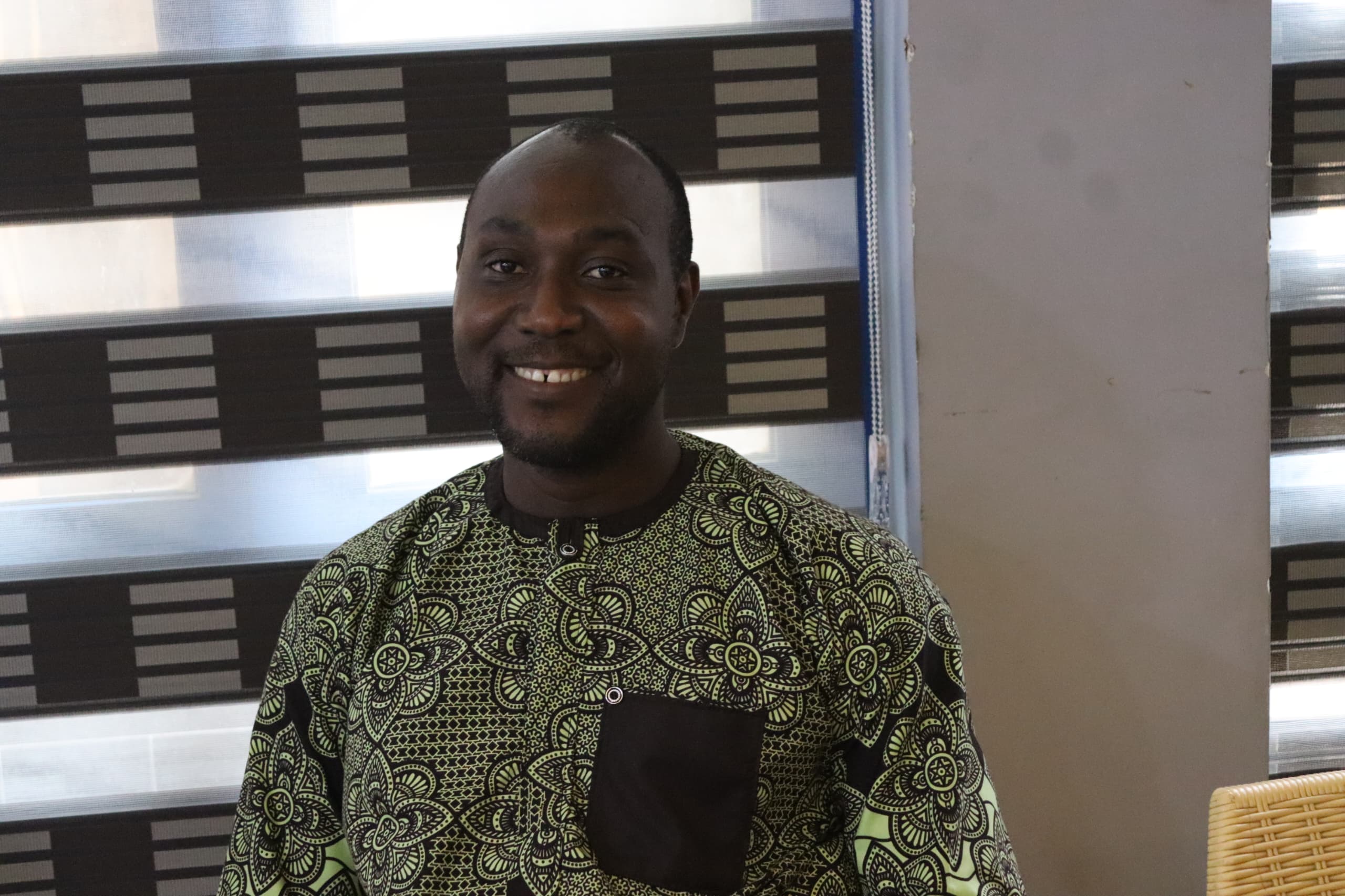
- “Good morning all, thanks to JICA and KANI for this wonderful training. I really appreciate and learnt vital things from it.The program was very helpful.Thank you for the food, knowledge, kits and transport fee.May God continue to bless you all. Amen.” – Temitope Marcus
- “A very big thank you to the organisers and all other organisations that make the programme a successful one and also to all our trainers and we the trainees, I say a big congratulations to everyone of us thank you and God bless.” – Yussuff Lateef Atanda
- “Good morning beautiful people. I really appreciate everyone that made this training a possibility. The onus is now on us to put into practice all that we learnt., Let’s keep the discussions going.” – Adeyemi
- “I’m so grateful for the time and energy you’ve invested in helping us grow on this new skills then thanks for the kits and every other things given to everyone of us. May God continue to bless you abundantly Sir’s/Ma for all, and to we the trainees I pray we make good things out of all we’ve been through. Thanks you All.” – Art Frame Digital
- “Good morning everyone…I would like to extend my heartfelt gratitude to the organizers and collaborating organizations for their tireless efforts in making this program a resounding success… I also appreciate our dedicated trainers and fellow trainees for their hard work and commitment…. Congratulations to each and every one of us on this achievement! Thank you, and may God bless us all….” – IBN
These responses reflected a shared recognition that the value of capacity building extends beyond attending a programme: the next step is to apply the skills, continue learning and translate knowledge into practical outcomes.
Sustaining the Impact Beyond the Training
While the completion of the two-day programme marked an important milestone, continued support will be essential to help participants strengthen and apply their new skills.
The programme report identified several opportunities to sustain its impact:
- Mentorship and technical guidance: Establishing a structured mentorship network to help participants develop their practical capabilities and navigate real-world projects.
- Alumni engagement: Maintaining communication among trainees to encourage knowledge sharing, professional connections and future collaboration.
- Refresher training: Providing periodic learning opportunities to keep participants informed about developments in solar technology, installation practices and maintenance.
- Monitoring and evaluation: Tracking participants’ progress and identifying opportunities to apply their skills in employment, entrepreneurship and community projects.
- Stronger industry connections: Encouraging engagement with renewable energy businesses and technical professionals to support continued learning and career development.
These recommendations point to the importance of treating capacity building as an ongoing process rather than a one-time event.
Kakehashi Africa’s Commitment to Youth Development and International Cooperation
Kakehashi Africa Nigeria Initiative continues to recognise the importance of partnerships that connect people, knowledge and opportunities across communities and countries.
The collaboration with JICA Nigeria and Lagos Mainland Local Government demonstrates how international cooperation can support locally relevant development activities through practical learning and stakeholder engagement.
By helping young Nigerians develop technical competencies in renewable energy, the programme contributed to broader conversations about employability, entrepreneurship, energy access and sustainable development.
It also highlighted the potential for partnerships to connect skills development with practical community needs, creating opportunities for participants to continue learning while contributing to their communities.
Looking Ahead
The Youth Capacity Building Training Programme on Solar Energy Design, Installation, Operation and Maintenance provided participants with a combination of technical instruction, hands-on experience and opportunities for collaboration.
The installation exercise at a primary healthcare facility gave the programme a practical dimension, while participant feedback and the recommendations outlined in the activity report highlighted the importance of continued mentorship, refresher training and professional networking.
As Nigeria continues to explore renewable energy solutions and opportunities for youth development, initiatives that combine practical skills with community engagement can play a useful role in building local capacity.
For Kakehashi Africa Nigeria Initiative, the programme represents an example of how collaboration, knowledge exchange and investment in people can contribute to sustainable development.
By connecting technical learning with practical application, KANI and its partners helped lay a foundation for young Nigerians to continue developing their skills and exploring opportunities in the renewable energy sector.
About Kakehashi Africa Nigeria Initiative (KANI)
Kakehashi Africa Nigeria Initiative is committed to fostering connections, cooperation and opportunities that strengthen relationships between Africa and Japan. Through engagement with partners and stakeholders, the initiative supports activities that promote knowledge exchange, capacity building and sustainable development.